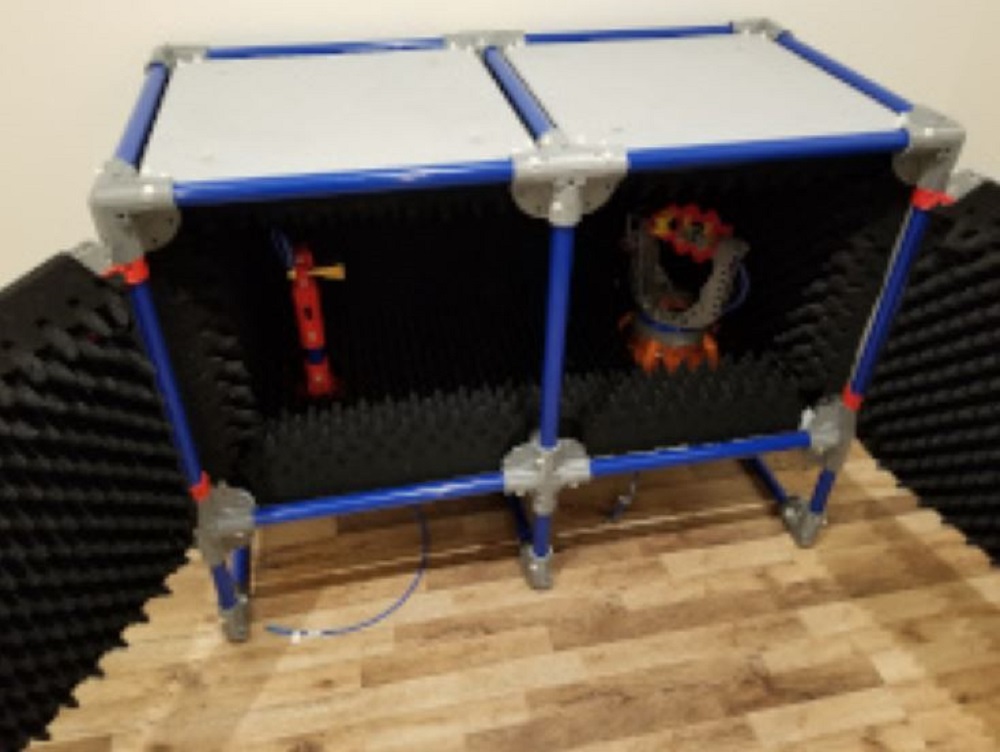
Accurate RF testing is essential for evaluating the performance of wireless devices, yet achieving reliable results can be challenging due to environmental factors and signal interference. Even small reflections or external noise can distort measurements and lead to inconsistencies in data. This is where controlled testing environments become valuable, as they help isolate the device under test from unwanted influences.
A well-designed setup allows engineers to observe how signals behave without interference from surrounding elements. By minimizing reflections and external disruptions, it becomes easier to obtain precise and repeatable measurements. As wireless technologies continue to advance, the need for accuracy in RF testing has become increasingly important in research, development, and quality assurance processes across various industries.
Reducing External Interference for Better Measurements
External interference is one of the most common factors that can impact RF testing accuracy. Signals from nearby electronic devices, networks, or infrastructure can unintentionally affect measurement results. Compact testing environments are designed to limit the entry of these unwanted signals, creating a more isolated space. This helps ensure that only the device under test contributes to the recorded data.
With fewer disruptions, engineers can focus on capturing clean and meaningful readings. The reduction of background noise also allows for clearer identification of signal patterns and anomalies. As a result, measurements become more dependable, more consistent, and easier to interpret during analysis.
Enhancing Measurement Consistency and Repeatability
Consistency plays a crucial role in RF testing, especially when validating device performance over time. A stable testing environment ensures that repeated tests produce similar results under the same conditions. This repeatability is important for verifying designs and confirming compliance with technical standards.
When environmental variables are minimized, variations in data are reduced significantly. Engineers can then compare results with greater confidence and accuracy. This consistency also helps streamline the testing process by reducing the need for repeated adjustments or recalibrations. Over time, it supports more efficient development cycles and strengthens overall product reliability.
Supporting Advanced Wireless Technologies
Modern wireless technologies require highly precise testing methods to ensure optimal performance. Devices such as smartphones, IoT systems, and communication equipment rely on accurate signal transmission and reception. Compact testing environments, including an anechoic chamber, provide the controlled conditions needed to evaluate these complex systems effectively. They allow engineers to analyze performance metrics without interference from external factors.
This is especially important as devices operate across multiple frequencies, bands, and communication protocols. Reliable testing helps identify potential issues early in the development cycle, reducing costly redesigns later. As technology continues to evolve, controlled environments remain essential for maintaining high standards of performance and innovation.
Improving Efficiency in Testing Workflows
Efficiency is another key advantage of using compact testing environments for RF evaluation. Their smaller size allows for easier integration into laboratories, research facilities, and production environments. Setup and calibration processes can be completed more quickly compared to larger, more complex environments. This helps reduce downtime and keeps testing schedules on track without unnecessary delays.
Engineers can perform multiple tests in a shorter amount of time while still maintaining accuracy and reliability. Fewer interruptions and more consistent conditions contribute to smoother and more predictable workflows. In the long run, this leads to better resource management, improved productivity, and more cost-effective testing operations overall.
Conclusion
Compact testing environments play an important role in improving the accuracy and reliability of RF measurements. By reducing interference, maintaining consistency, and supporting advanced technologies, they help engineers achieve more dependable and meaningful results. These controlled conditions make it easier to analyze device performance without external influences affecting outcomes.
As wireless systems become more sophisticated and widely used, precise testing becomes even more critical across industries. Efficient workflows and repeatable results further enhance the overall value of these environments in practical applications. Ultimately, they provide a dependable solution for achieving high-quality RF testing standards and supporting continued technological advancement.
 Nexonic
Leave a comment